











 LOWER STRESS & CORTISOL
 LOWER STRESS & CORTISOL
Regular meditation has been shown to reduce cortisol, the body’s primary stress hormone. In randomized controlled trials, consistent mindfulness practice leads to measurable reductions in stress biomarkers, helping your body shift out of fight-or-flight and into recovery mode.
 IMPROVE FOCUS & MENTAL CLARITY
 IMPROVE FOCUS & MENTAL CLARITY
Meditation strengthens attention and cognitive control. Studies show even short daily sessions can improve focus, working memory, and the ability to stay present, making it easier to think clearly and perform at a higher level.
 SUPPORT NERVOUS SYSTEM RECOVERY
 SUPPORT NERVOUS SYSTEM RECOVERY
Sitting in stillness activates the parasympathetic nervous system, your body’s “rest and digest” state. This helps slow your heart rate, reduce tension, and bring your system back into balance after stress or stimulation.
 ENHANCE SLEEP QUALITY
 ENHANCE SLEEP QUALITY
Research shows mindfulness meditation can improve sleep by reducing rumination and calming the mind before bed. Regular practice is linked to falling asleep faster and experiencing deeper, more restorative rest.
 REDUCE ANXIETY & OVERTHINKING
 REDUCE ANXIETY & OVERTHINKING
Meditation has been widely studied for its effects on anxiety. Clinical evidence shows it can significantly reduce symptoms by helping you observe thoughts without reacting to them, creating space between you and the stress.
 IMPROVE POSTURE & PHYSICAL COMFORT
 IMPROVE POSTURE & PHYSICAL COMFORT
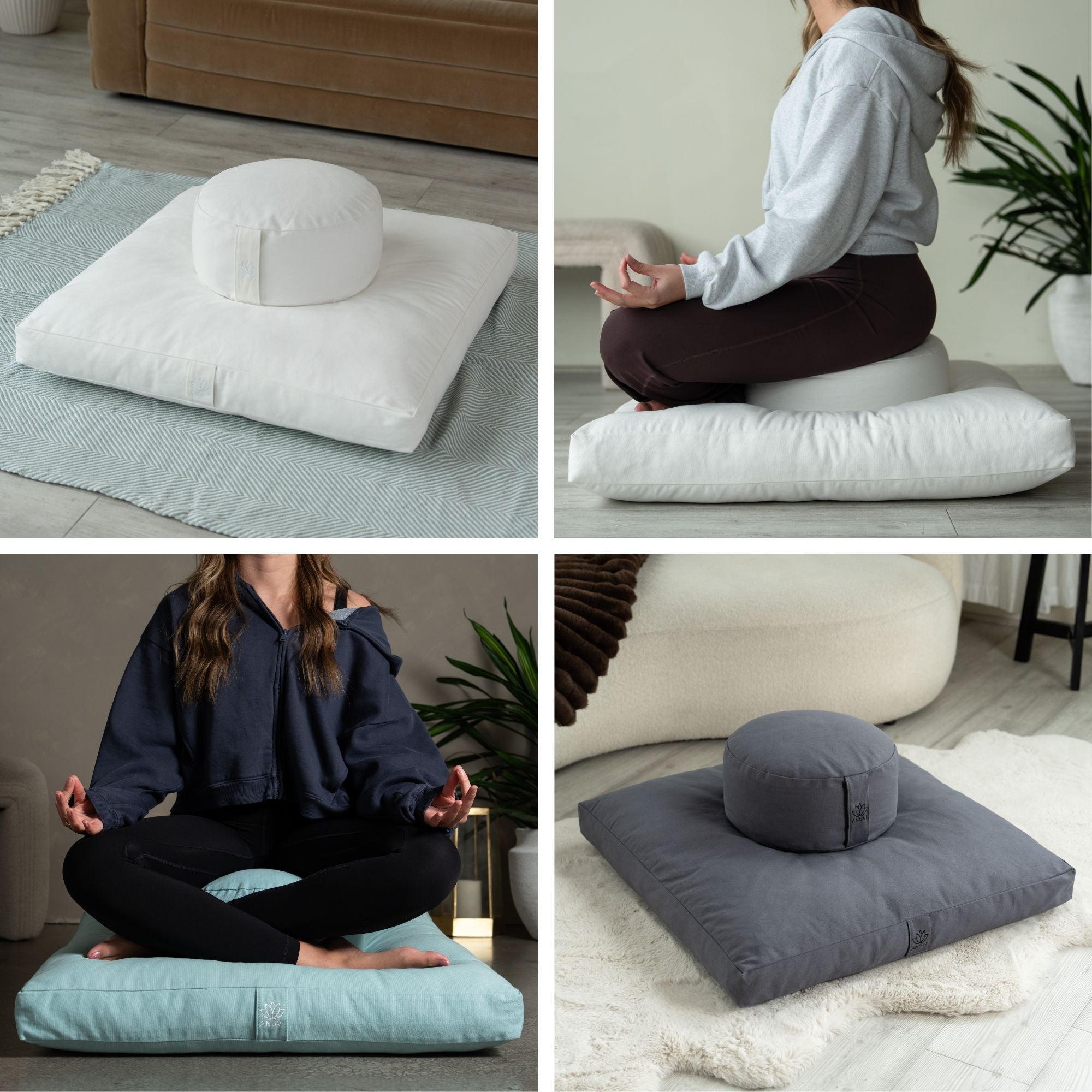
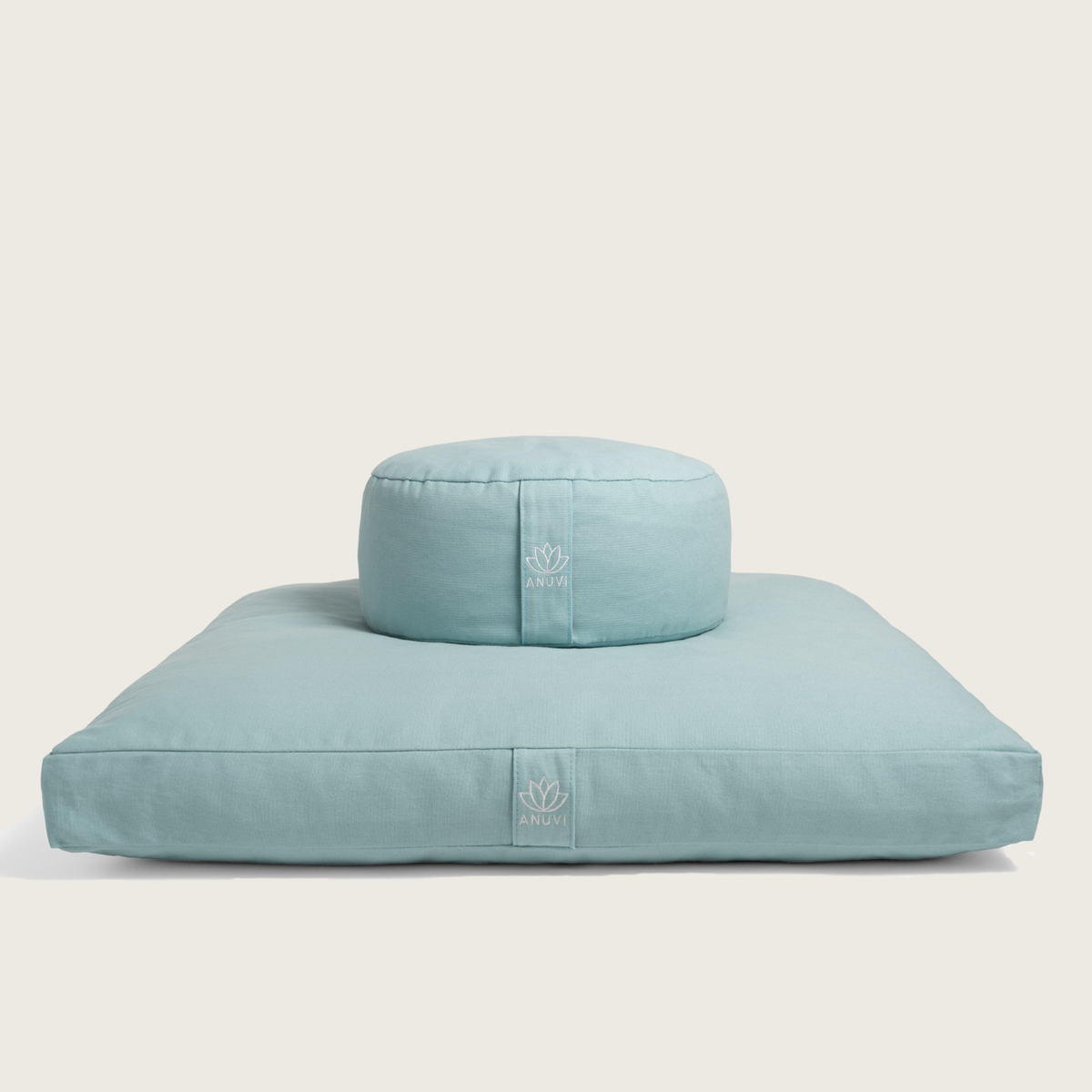
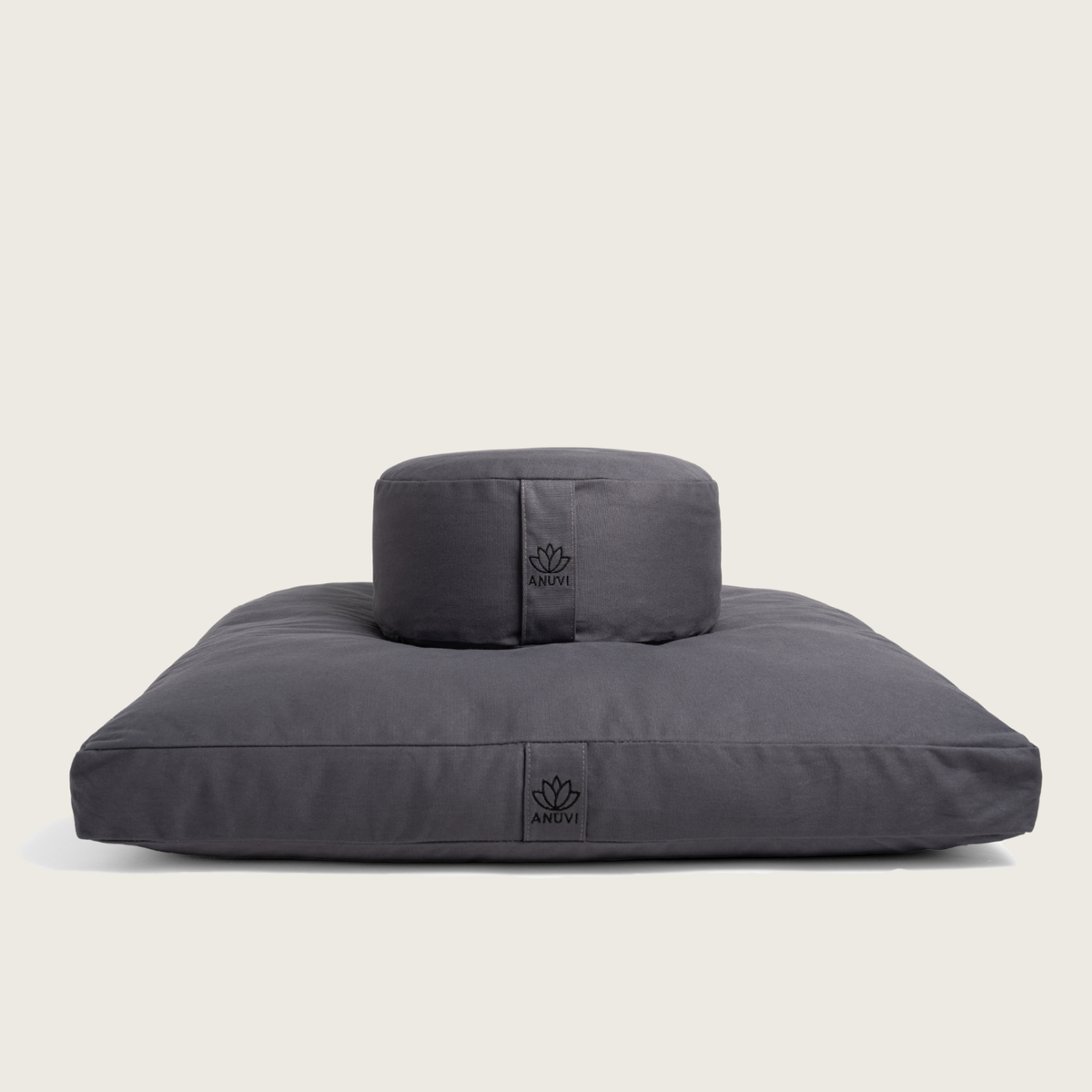
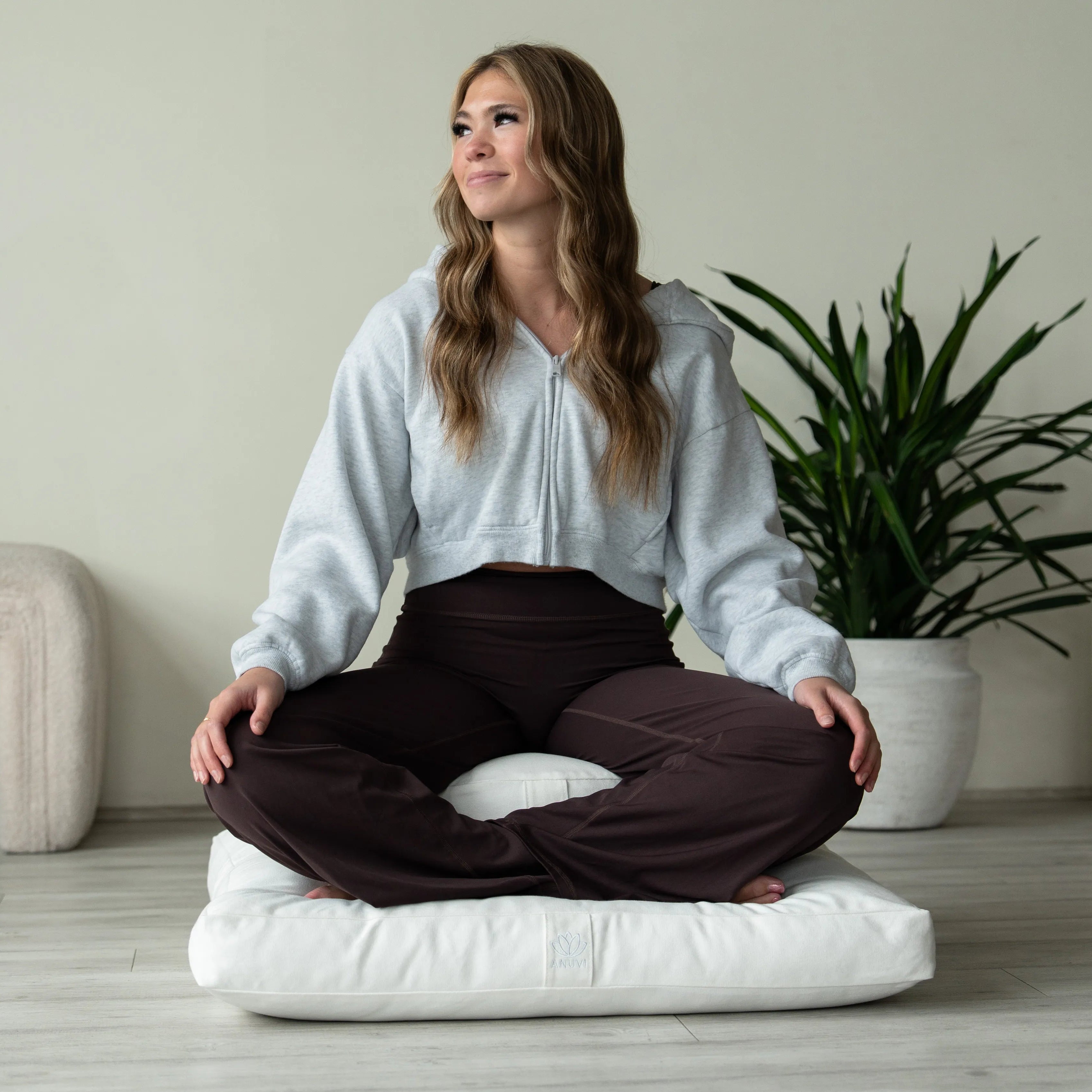
Proper seated support reduces strain on the hips, knees, and lower back. Elevating the hips above the knees helps maintain a neutral spine, allowing you to sit longer without discomfort, which is key for building a consistent practice.
 BUILD A HABIT THAT COMPOUNDS
 BUILD A HABIT THAT COMPOUNDS
The biggest benefit is consistency. Research shows that even brief, regular meditation sessions (as little as 5–15 minutes) can create lasting changes in stress response, focus, and emotional regulation. Small sessions stack, and the results compound over time.